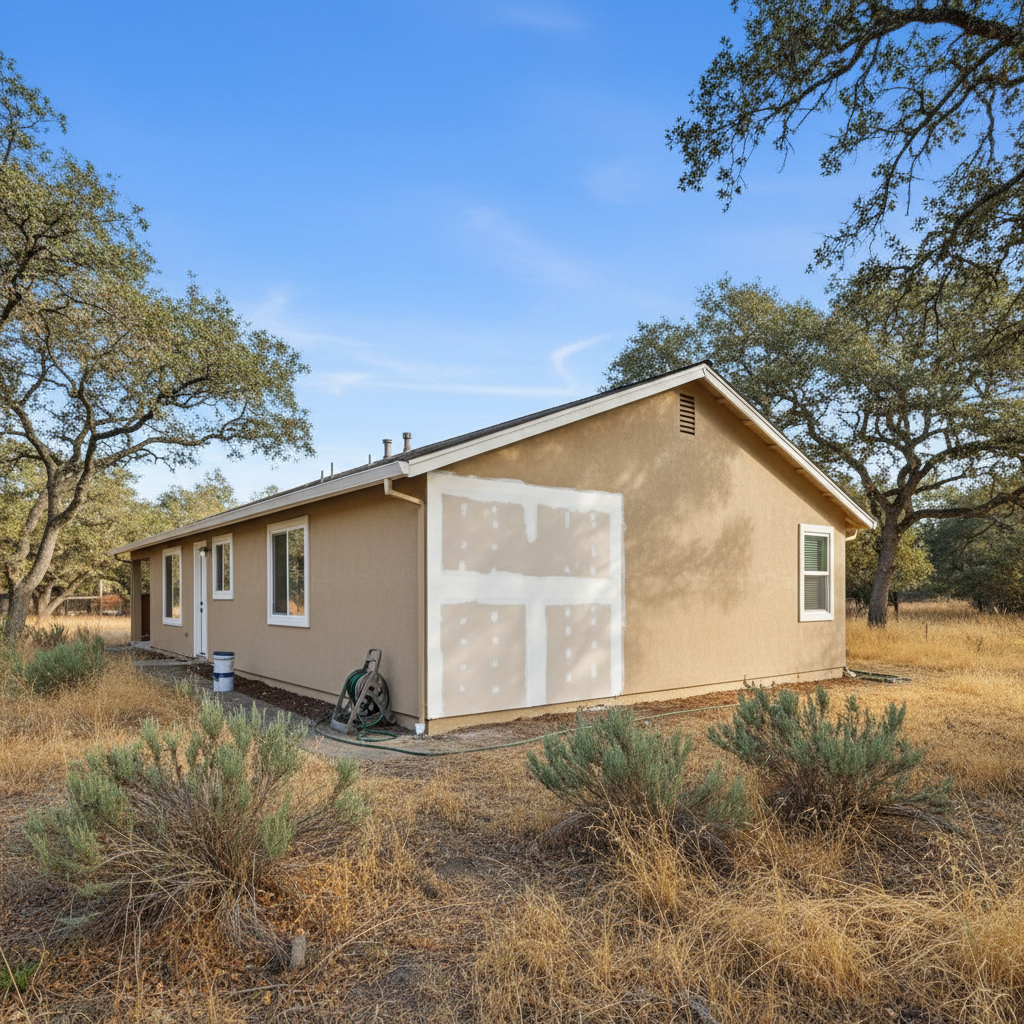
Alright, let's talk about getting your walls looking good again. Maybe it's a few dings from moving furniture, some cracks showing up, or heck, you're just ready for a whole new vibe. Either way, drywall repair and painting usually go hand-in-hand. It's a pretty big project for most homeowners, and you definitely want it done right. So, here's what I tell folks around Lincoln when they're thinking about tackling something like this.
Setting Your Project Timeline
First off, don't rush it. A good drywall repair and paint job isn't something that happens overnight, you know? You're looking at a few distinct phases, and each one takes its own sweet time. I'd say, from your first call to the final walkthrough, you should plan for at least a couple of weeks. Maybe more, especially for bigger jobs or if you're doing multiple rooms. You've got the initial consultation and estimate, which can take a few days just to get scheduled, then a few more to review. Then comes the actual work. Drywall repair needs time for mud to dry between coats – we're talking hours, sometimes even overnight, particularly with our dry Lincoln air. You just can't rush that, or you'll end up with cracks later. Then priming, and finally, painting. Each coat of paint needs to dry properly before the next one goes on. Factor in a little buffer too, because, well, life happens.
What to Expect During the Process
When my crew from Omega Paint Co shows up for a drywall and paint job, here's the typical flow. We start by protecting your home. That means drop cloths everywhere, taping off baseboards, windows, and doors, and moving furniture to the center of the room or out entirely. Dust is a big deal with drywall, so we do our best to contain it. We'll repair the drywall next – patching holes, fixing cracks, re-taping seams if needed. This often involves multiple layers of joint compound, sanding, and then more compound. It's a messy process, no doubt, but it's absolutely crucial for a smooth finish. Once the drywall is perfectly smooth and sanded, we'll clean up the dust as much as possible before priming. Primer makes sure the new paint sticks well and gives you a nice, uniform color. After priming, we'll apply the finish coats of paint. This usually means two coats for good coverage, sometimes more if you're going from a dark color to a light one. Finally, we'll clean up, remove all our protection, and do a walkthrough with you to make sure everything looks perfect.
How to Prepare Your Home
You can make things a lot smoother for everyone if you do a little prep work before the crew arrives. Here's what I recommend:
- Clear the clutter: Take down pictures, mirrors, and wall decorations. Remove anything from shelves.
- Move small furniture: If you can, move smaller, lighter pieces of furniture out of the room or into the center. We'll handle the heavy stuff, but every little bit helps.
- Protect valuables: If you have anything fragile or sentimental, put it away in a safe place. We're careful, but accidents can happen.
- Secure pets: Keep pets in a separate area of the house or arrange for them to be elsewhere during the day. It's safer for them and for the crew.
- Plan for access: Make sure there's clear access to the work areas. If we need to use a specific bathroom or access an outdoor spigot, let us know beforehand.
- Pick your colors: Have your paint colors finalized before the project starts. Changing your mind mid-job can cause delays and extra costs.
Questions to Ask Before Signing a Contract
You're inviting people into your home, so you want to make sure you're comfortable with who you're hiring. Don't be shy about asking questions. Here are some good ones:
- Are you licensed and insured? This is non-negotiable. You want to see proof of both. Liability insurance protects you if someone gets hurt on your property, and workers' comp protects their employees.
- Can you provide references? A reputable contractor will be happy to share contacts from past clients.
- What's your warranty? Good work should come with a guarantee. Ask what's covered and for how long.
- How do you handle dust containment and cleanup? Drywall dust is insidious. You want to know their plan for minimizing it and cleaning up afterward.
- What specific products will you use for drywall repair and paint? Knowing the quality of materials helps you understand how long the job will last.
- What's the payment schedule? Avoid contractors who ask for a huge upfront payment. A typical schedule might be a deposit, a payment midway, and the final payment upon completion and your satisfaction.
- Who will be on site? Will it be the same crew every day? Will a supervisor be present?
- What's the estimated timeline for completion? Get a clear idea of when they expect to start and finish.
- What happens if you find unexpected damage? Sometimes, once you start tearing into walls, you find more than you bargained for. Ask how they handle those situations and what the cost implications might be.
Asking these questions upfront will save you headaches down the road. A good contractor, like us at Omega Paint Co, will appreciate your thoroughness. It shows you're serious about your home, and we're serious about our work. Taking the time to plan and communicate properly means you'll end up with walls you're proud of.